

TIRE REPAIR
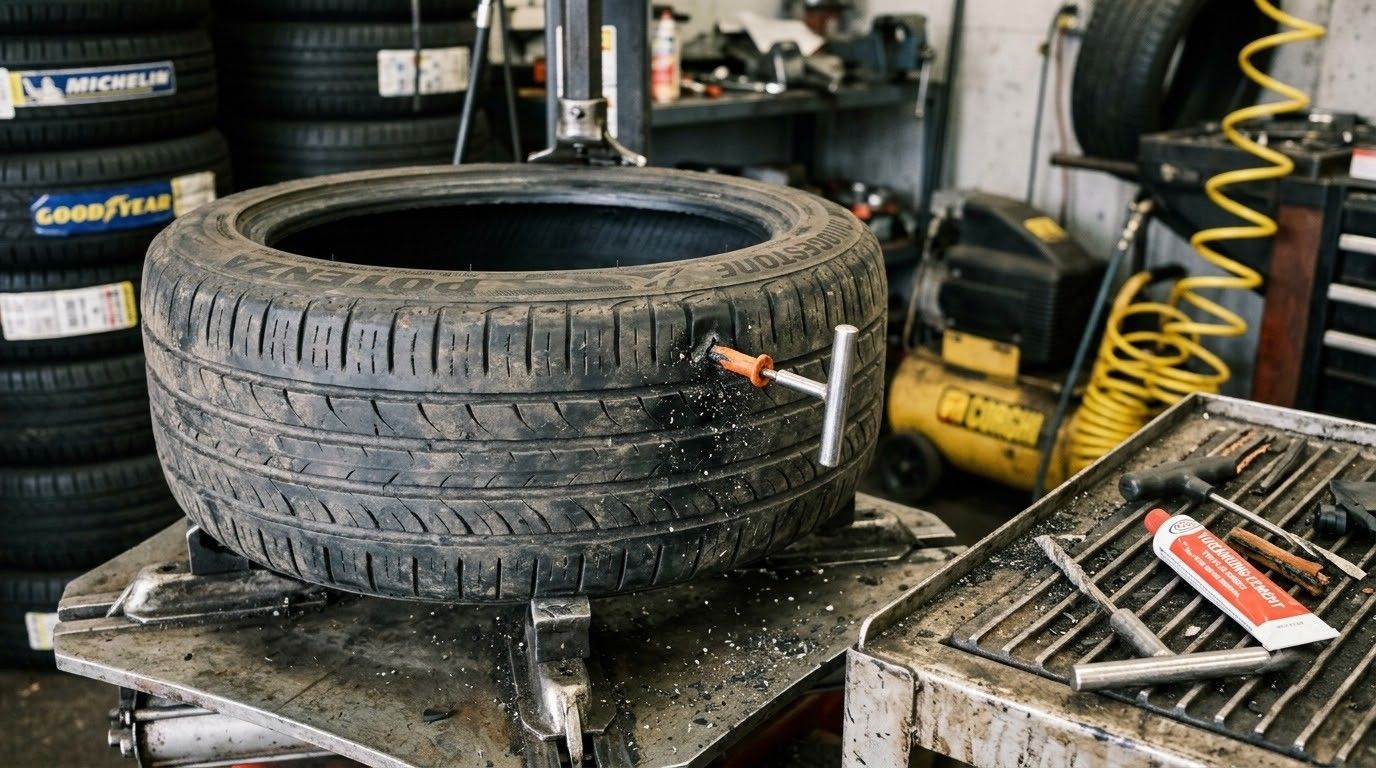
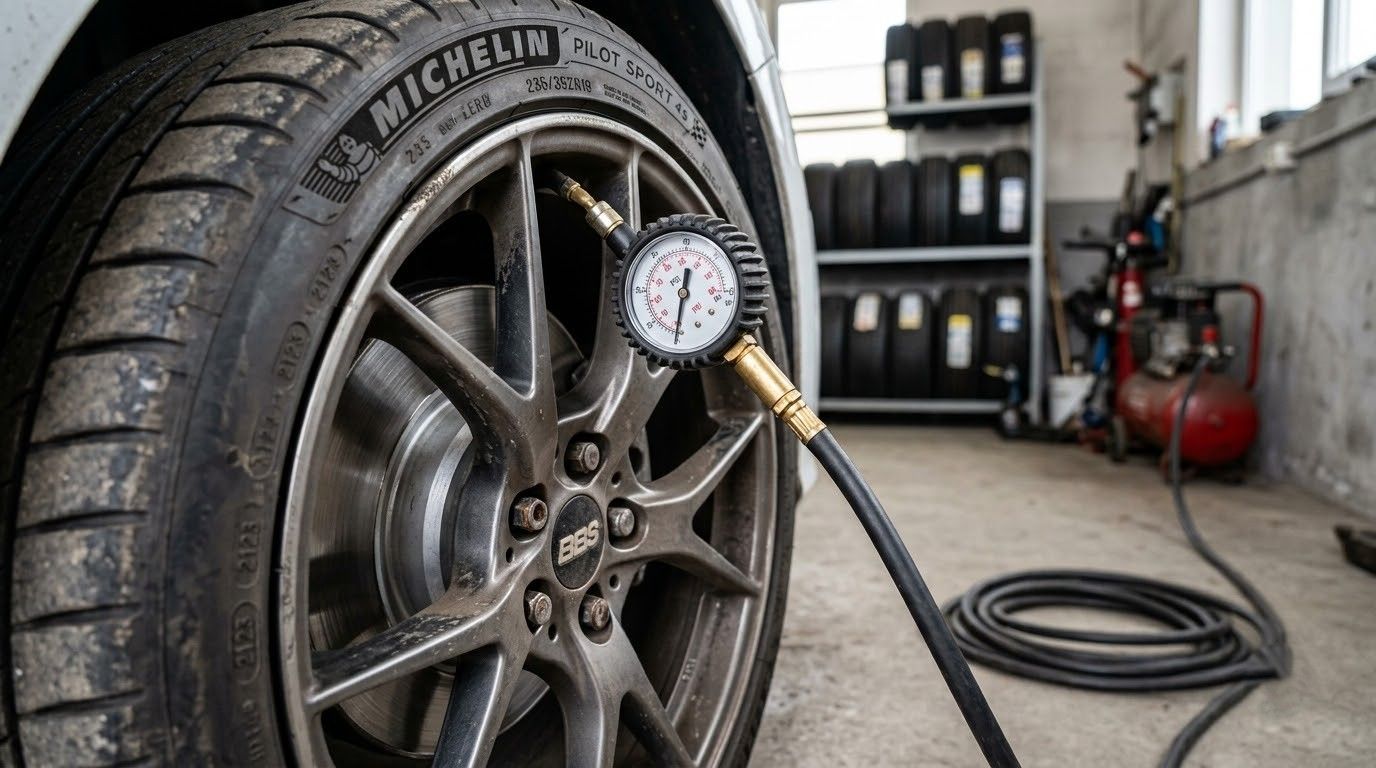
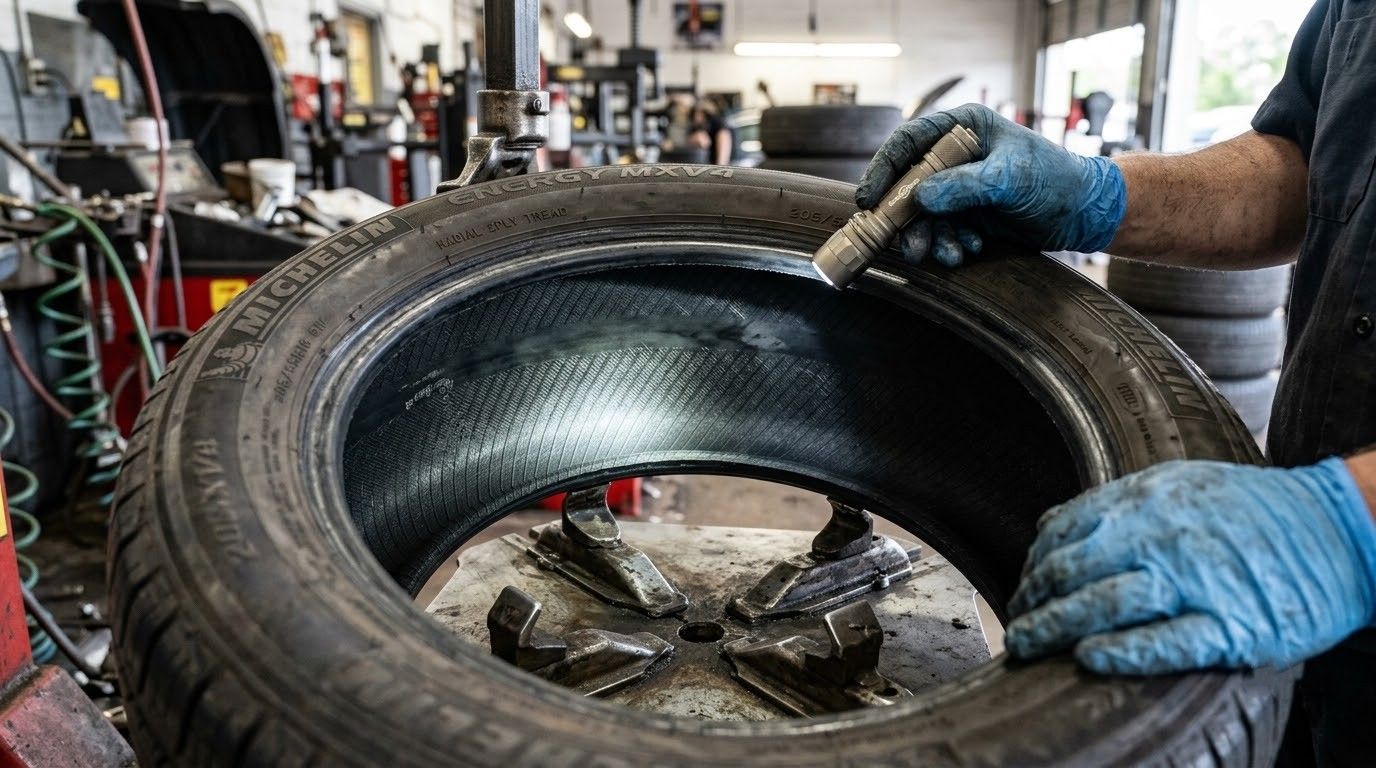
- Every tire dismounted before assessment
- Interior and exterior both examined
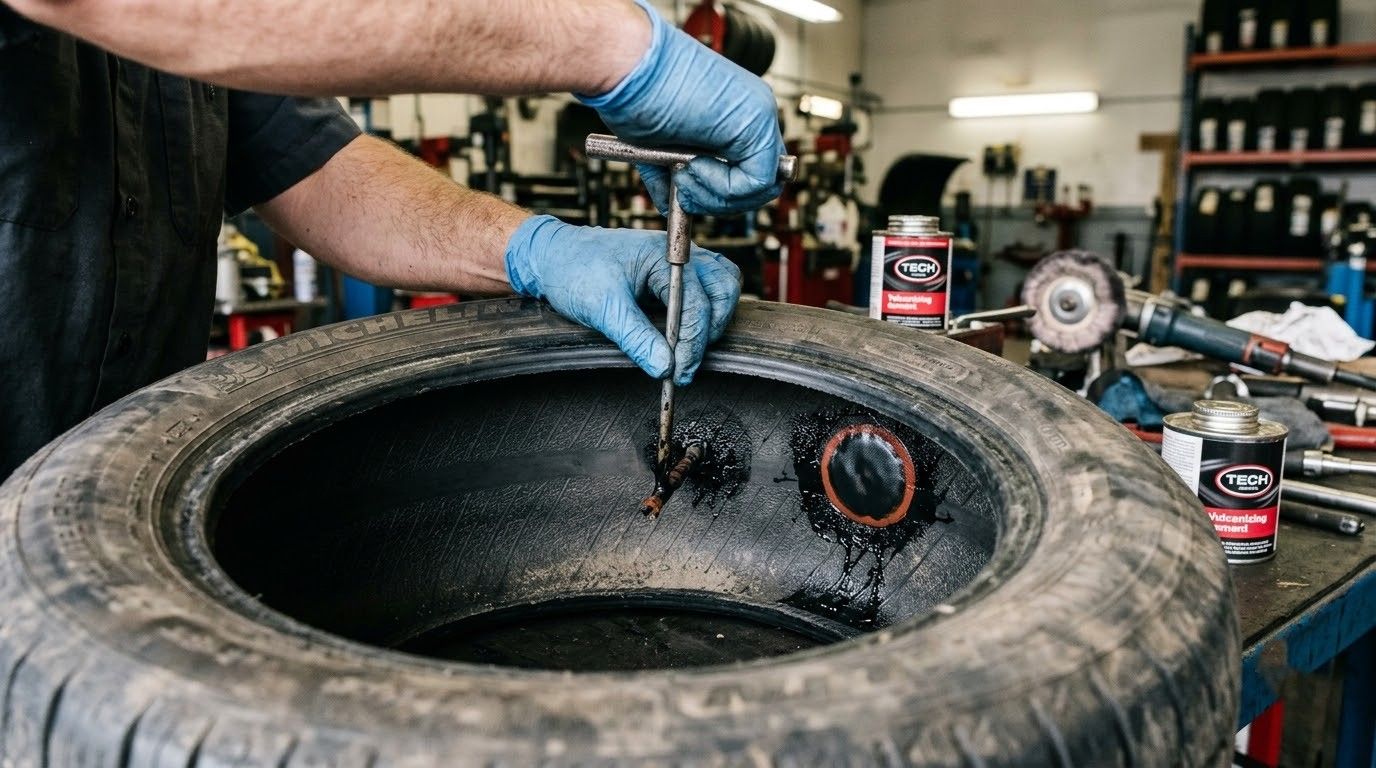
- Rubber fill with inner liner seal
- Honest call on repair versus replacement
our services
THE WORD ON OUR WORK
Can a puncture in the sidewall be repaired?
No. Sidewalls flex constantly and carry no steel belt to support a patch, so any repair there will eventually fail. A puncture must sit in the tread, at least 1/2 inch clear of the shoulder.
How large a hole can actually be fixed?
Anything up to 1/4 inch, or 6 mm, across. Past that the surrounding rubber and belt structure cannot support a patch reliably, and the tire has to be replaced rather than repaired.
Is a plug on its own good enough?
Not as a permanent repair. A plug-and-patch combination fitted from inside the tire is the accepted method, and Luke's Alignment & Auto Repair in Chesterton, IN uses it on every puncture we agree to fix.
Can I keep driving on a slow leak?
Briefly, and only to reach a shop. Running underinflated overheats the sidewall and can crease the inner liner, turning a repairable puncture into a tire that has to be replaced.
Does a repaired tire need rebalancing?
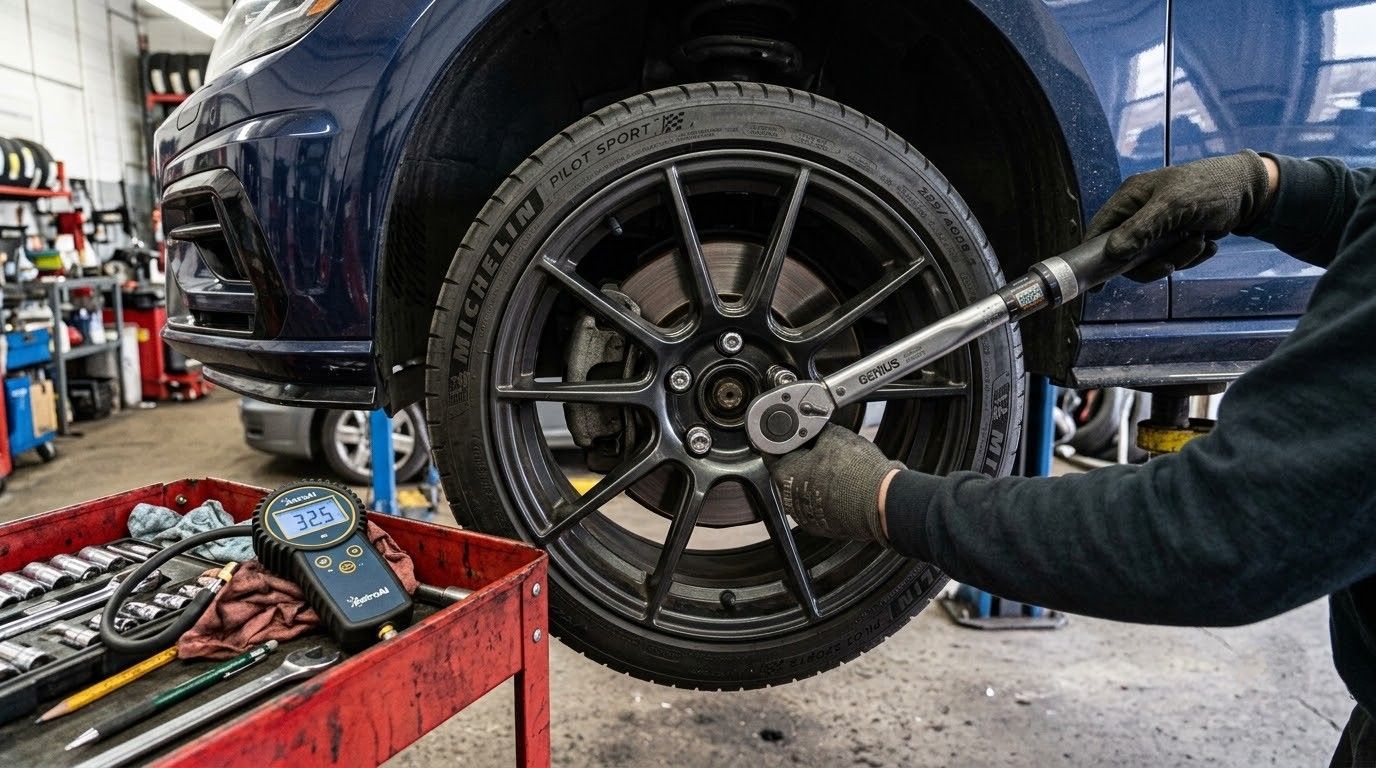
Yes. Adding rubber and a patch changes the weight distribution slightly, and the assembly is spun and corrected afterward so no vibration appears at speed. It is part of the same visit.
What if only one tire needs replacing?
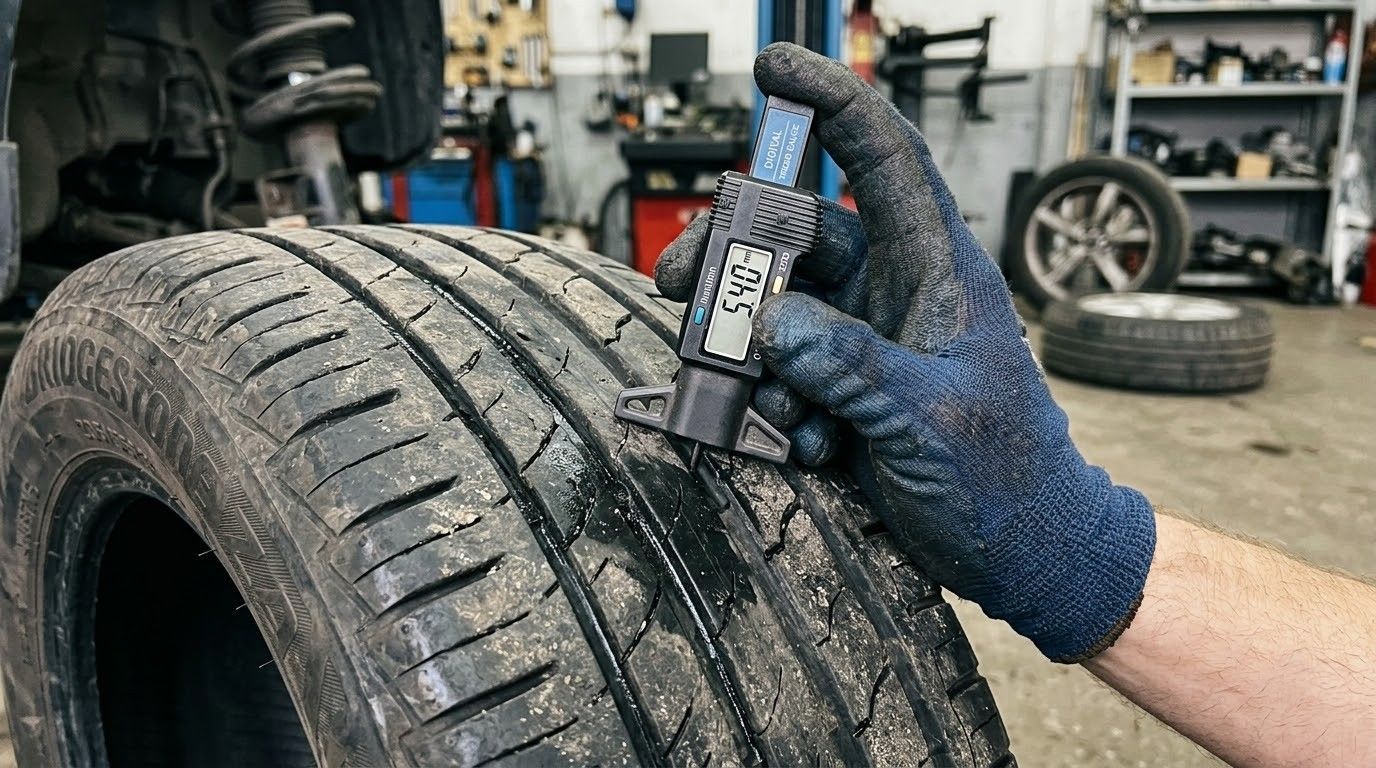
On many vehicles that is fine, provided the remaining tread depths are close. All-wheel drive systems are less forgiving, and a large difference in rolling circumference can load the differential. We measure before advising.
How many punctures can one tire take?
It depends on spacing rather than a fixed count, since repairs must not overlap or crowd each other. Luke's Alignment & Auto Repair inspects the interior in Chesterton, IN and judges each tire on what we can see.
Why did my tire lose air with no puncture at all?
Corrosion on the rim where the bead seats is a common cause here, along with a leaking valve stem or a bent wheel. Soap testing the assembly finds the escape point in minutes.
Step-01
HEAR HOW IT WENT FLAT.
Step-02
LOCATE THE LEAK PRECISELY.
Step-03
TAKE THE TIRE OFF THE RIM.
Step-04
MEASURE AND MAKE THE CALL.
Step-05
FILL, SEAL, AND REFIT.
Step-06