CAR DIAGNOSTICS
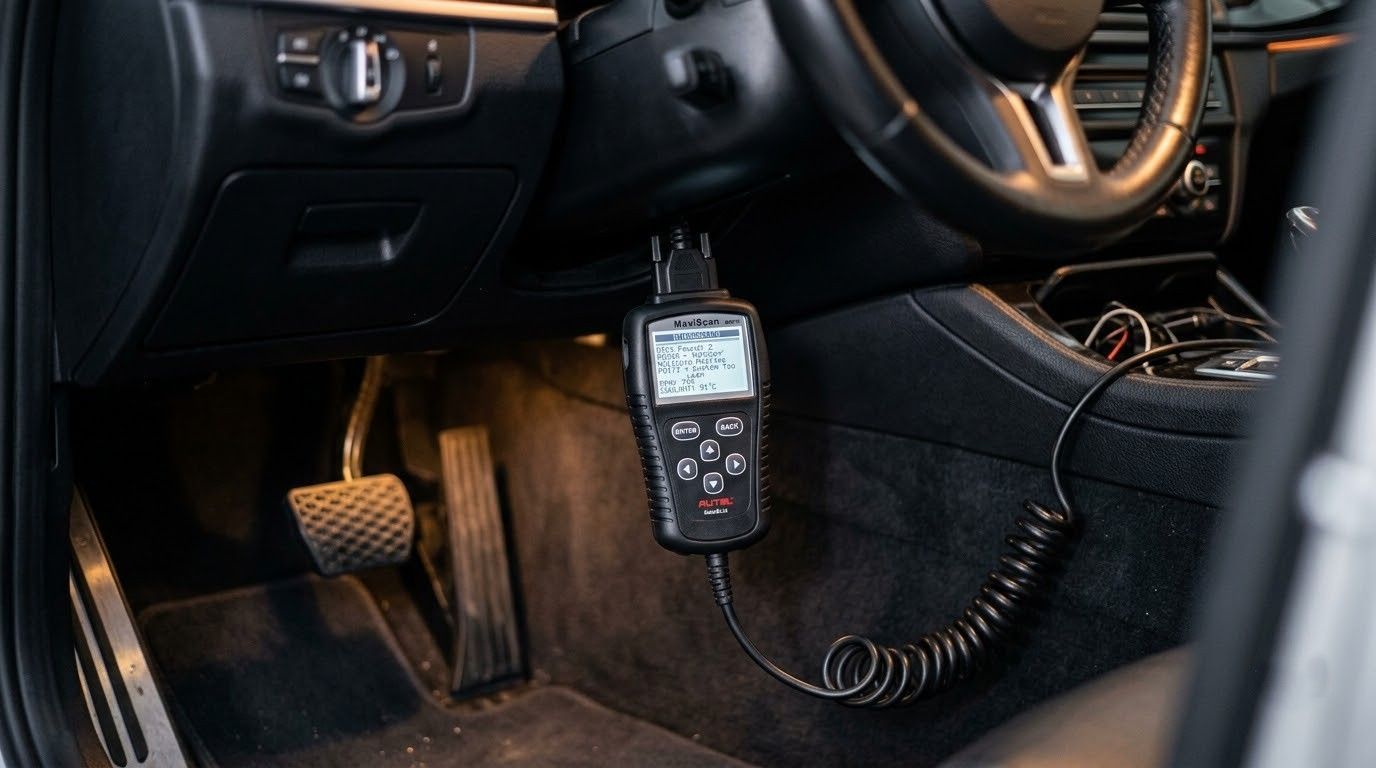
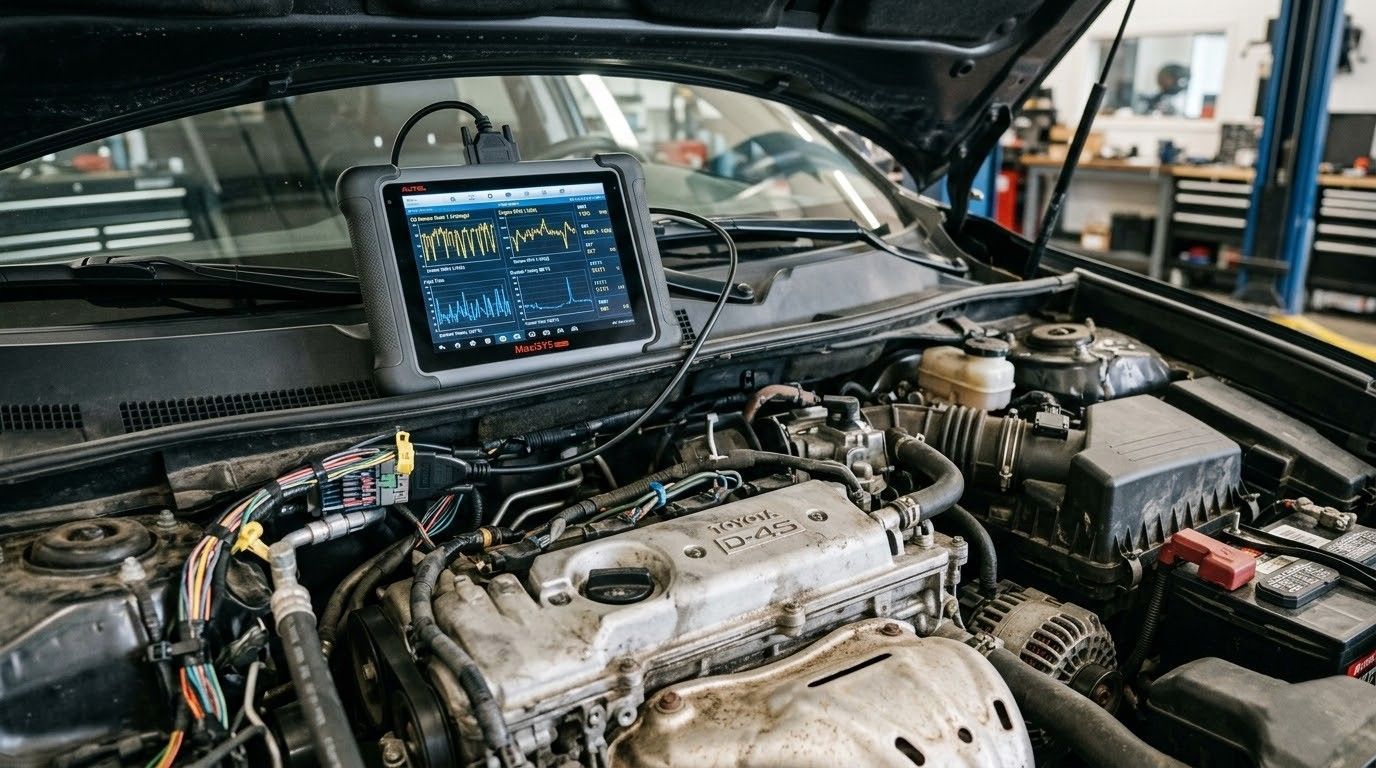
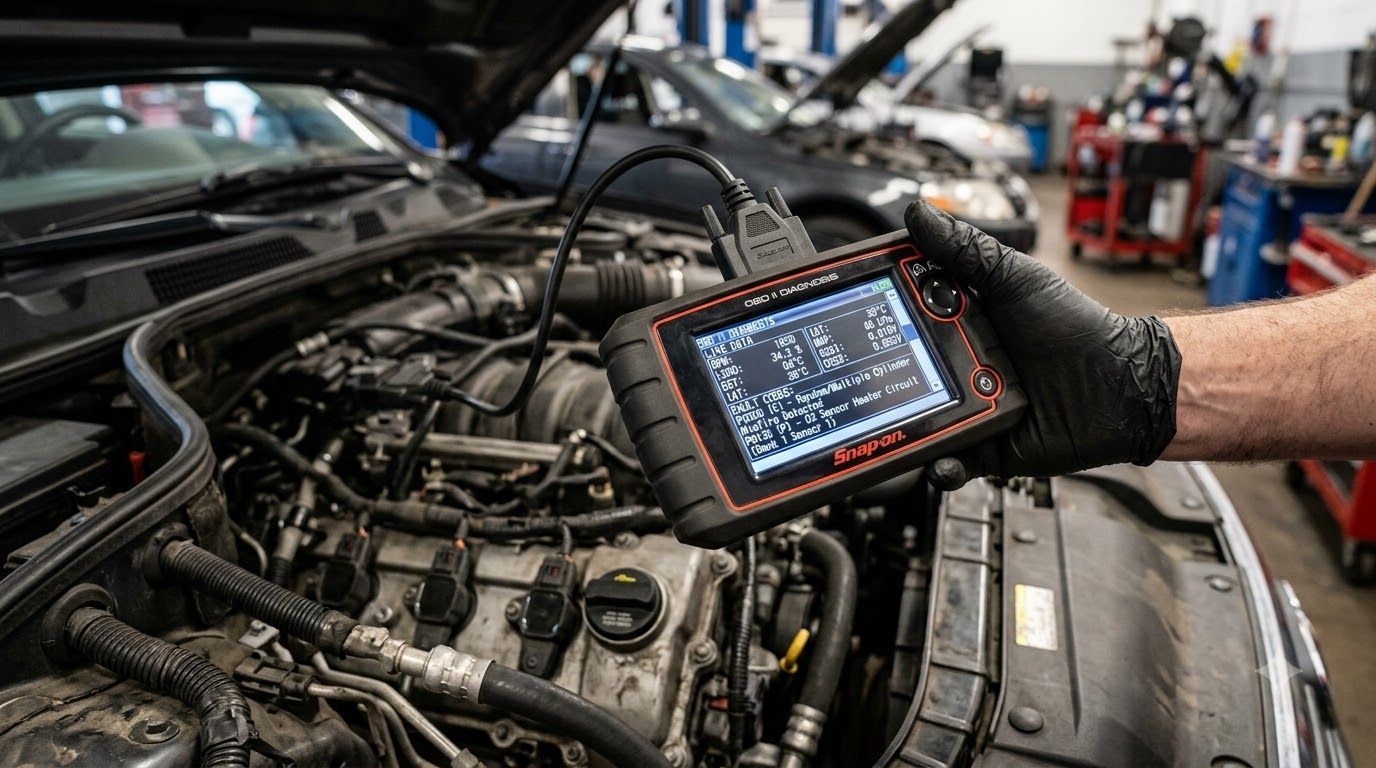
- Snap-On, Mac, and OTC scanners
- Symptoms discussed before testing begins
- Detailed written report every time
- Repair suggestions ranked by safety
our services
THE WORD ON OUR WORK
Can a diagnostic find a problem with no warning light on?
Absolutely. Plenty of faults never set a code: vacuum leaks, worn mounts, a dragging caliper, a failing wheel bearing. Physical inspection and live data catch what the computer has no sensor to notice.
Why did my code come back after the light was cleared?
Clearing a code erases the record, not the cause. The monitor that flagged the fault runs again on the next drive cycle and reports the same condition, which is why we diagnose before resetting anything.
What does a diagnostic report include?
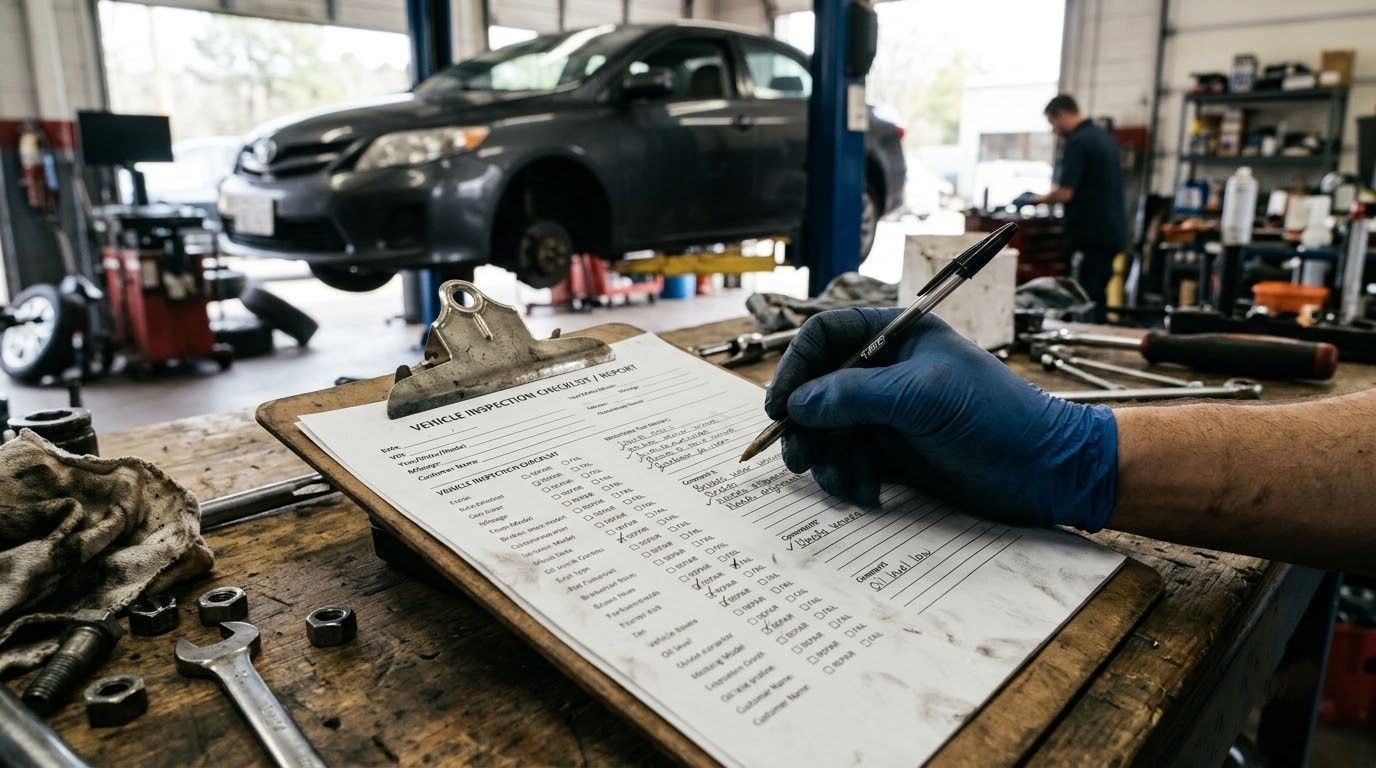
Findings on the vehicle's overall safety, a list of the issues it faces, and suggestions for repairing each one. Luke's Alignment & Auto Repair hands that document to every driver we test in Chesterton, IN.
Can a diagnostic tell me why my car failed an emissions test?
Usually it can. Catalyst efficiency, oxygen sensor performance, evaporative leaks, and incomplete readiness monitors all show up in the scan data, which points directly at what needs repairing before a retest.
Do I need to reproduce the symptom for you?
Reproducing it helps enormously. An intermittent fault that only appears cold, over bumps, or after 20 minutes of highway driving may need a road test, so tell us exactly what triggers it.
Can you diagnose a transmission problem without removing it?
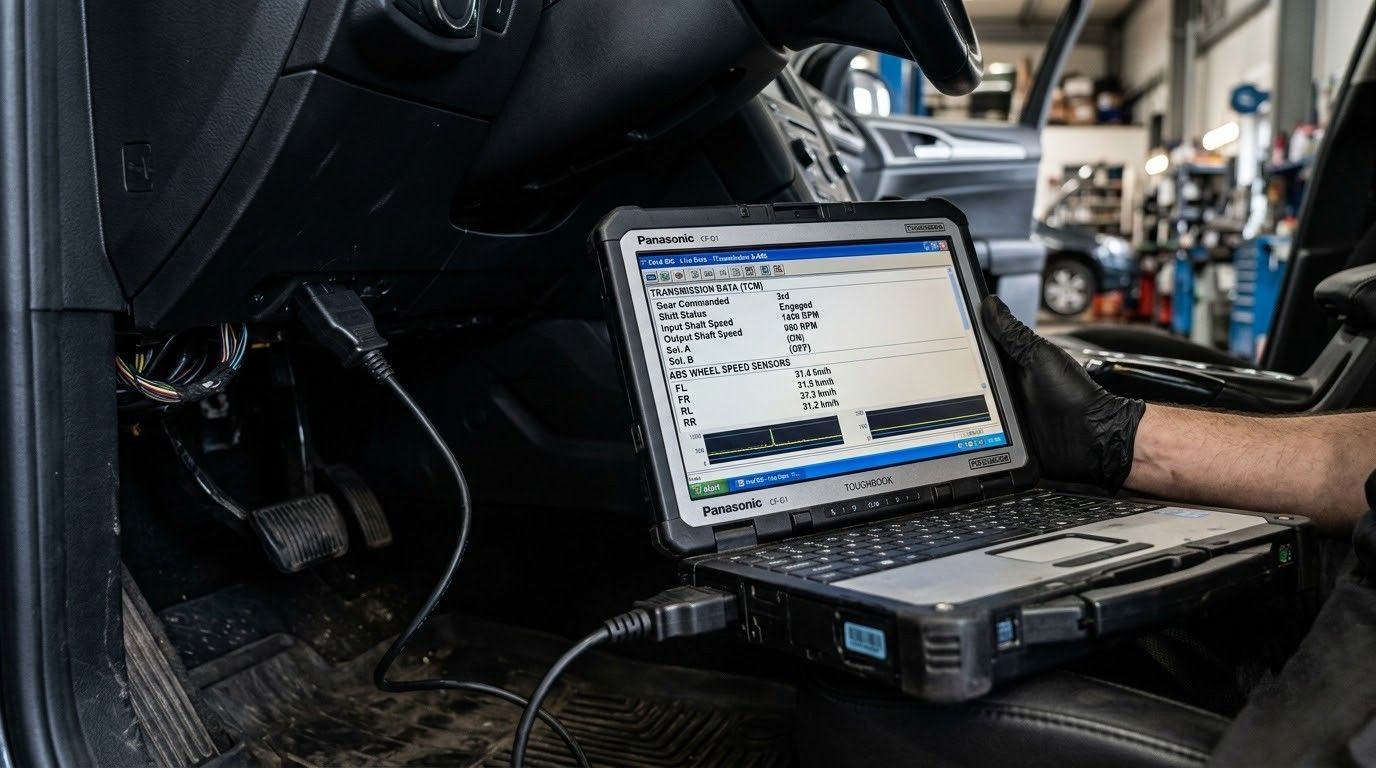
In most cases, yes. Module data, shift pressure readings, fluid condition, and a road test together identify whether the trouble is electronic, hydraulic, or mechanical long before anything is unbolted from the vehicle.
Will one diagnostic session find multiple problems?
Often it will, since a full assessment reads engine, exhaust, brakes, transmission, fuel, coolant, ignition, and throttle in one pass. Luke's Alignment & Auto Repair reports all of it together for drivers across Chesterton, IN.
Does a diagnostic damage anything on the vehicle?
No. Reading modules through the data port is passive, and the physical checks are inspection rather than disassembly. Nothing gets taken apart without your approval once the findings have been explained.
Step-01
Hear the Symptom in Your Words
Step-02
Pull the Stored and Pending Codes
Step-03
Watch the Live Data Run
Step-04
Inspect What the Scanner Cannot See
Step-05
Confirm the Fault Before Naming It
Step-06
Write It Up and Talk It Through
✓ Full scan of every reachable module
✓ Live data and freeze frame review
✓ Hands-on inspection of connectors and grounds
✓ Engine, transmission, brake, and fuel checks
✓ Written safety and issue summary
✓ Suggested repairs in priority order