

AUTO MECHANIC
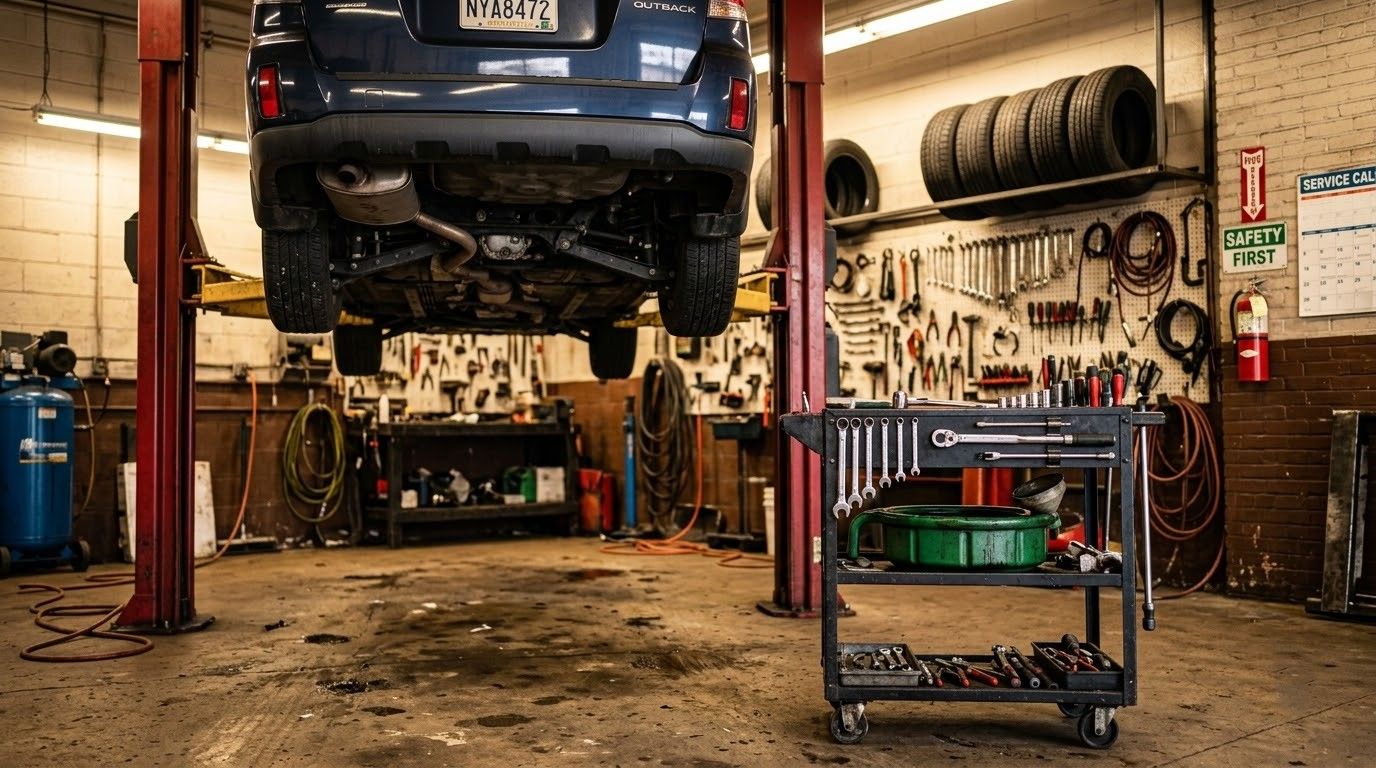
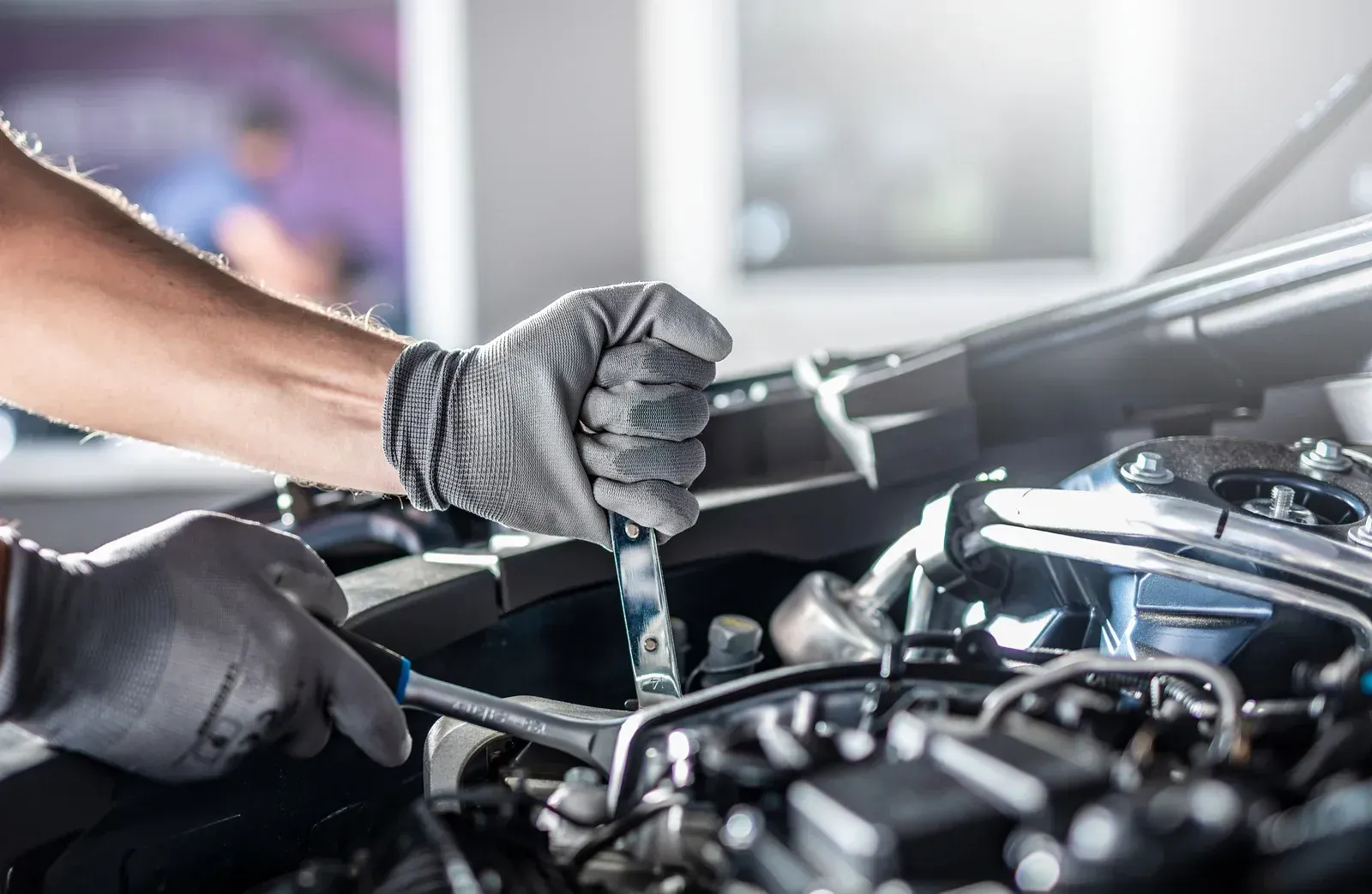
- Trained and certified on every job
- Major repairs through simple oil changes
- Diagnosis before any part is ordered
- Approval before the work starts
our services
THE WORD ON OUR WORK
What should I tell a mechanic when I drop my car off?
Describe the symptom as specifically as you can. When it happens, how long it has done it, whether speed, braking, or cold mornings change it, and any repair history you know about. Those details often save an hour of searching.
Can one mechanic handle mechanical work and bodywork?
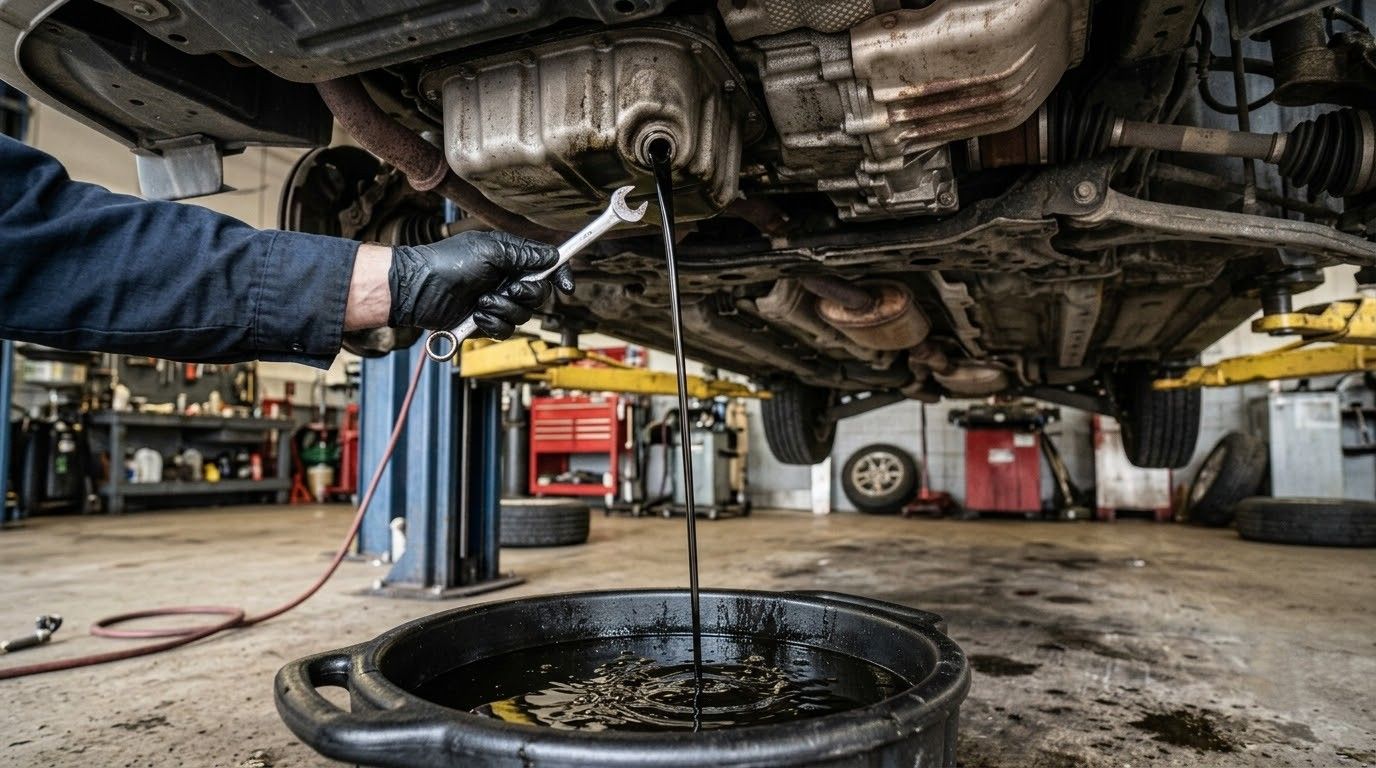
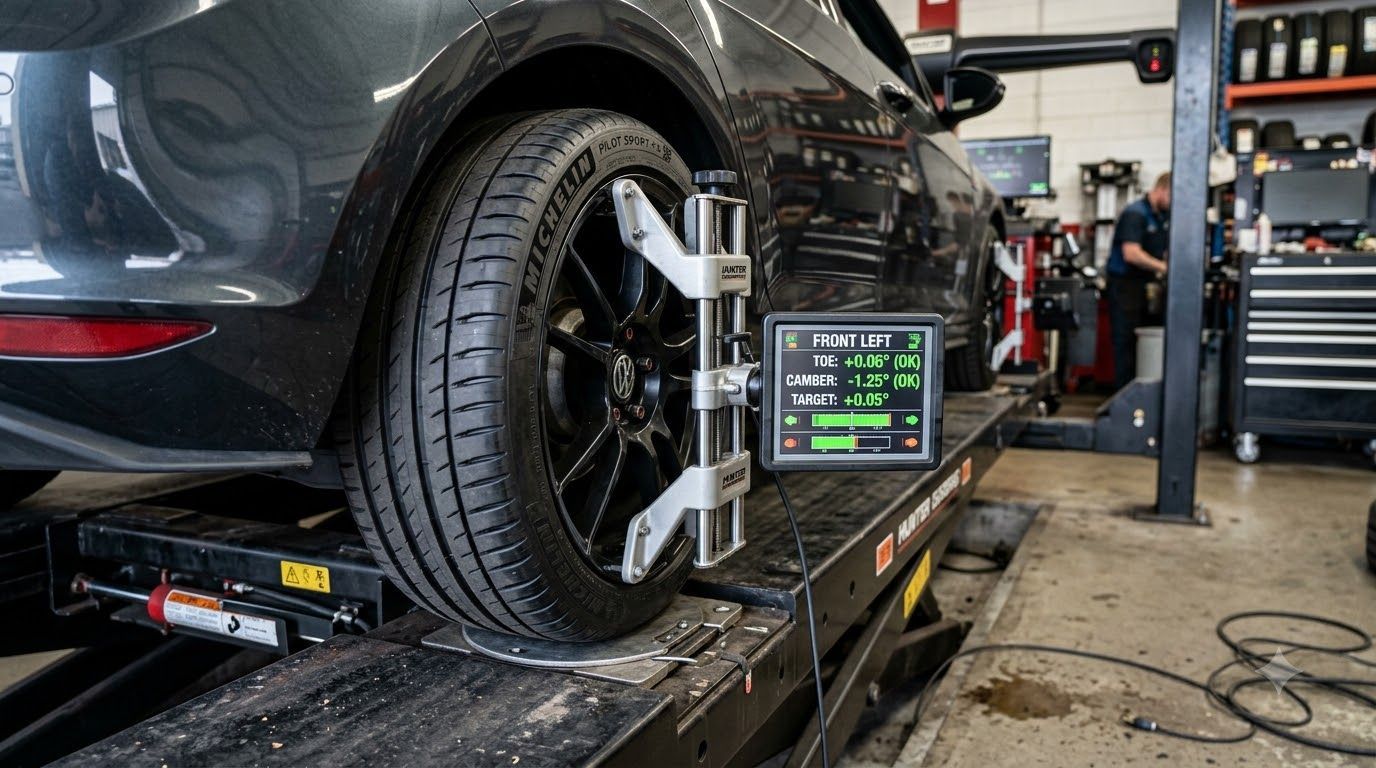
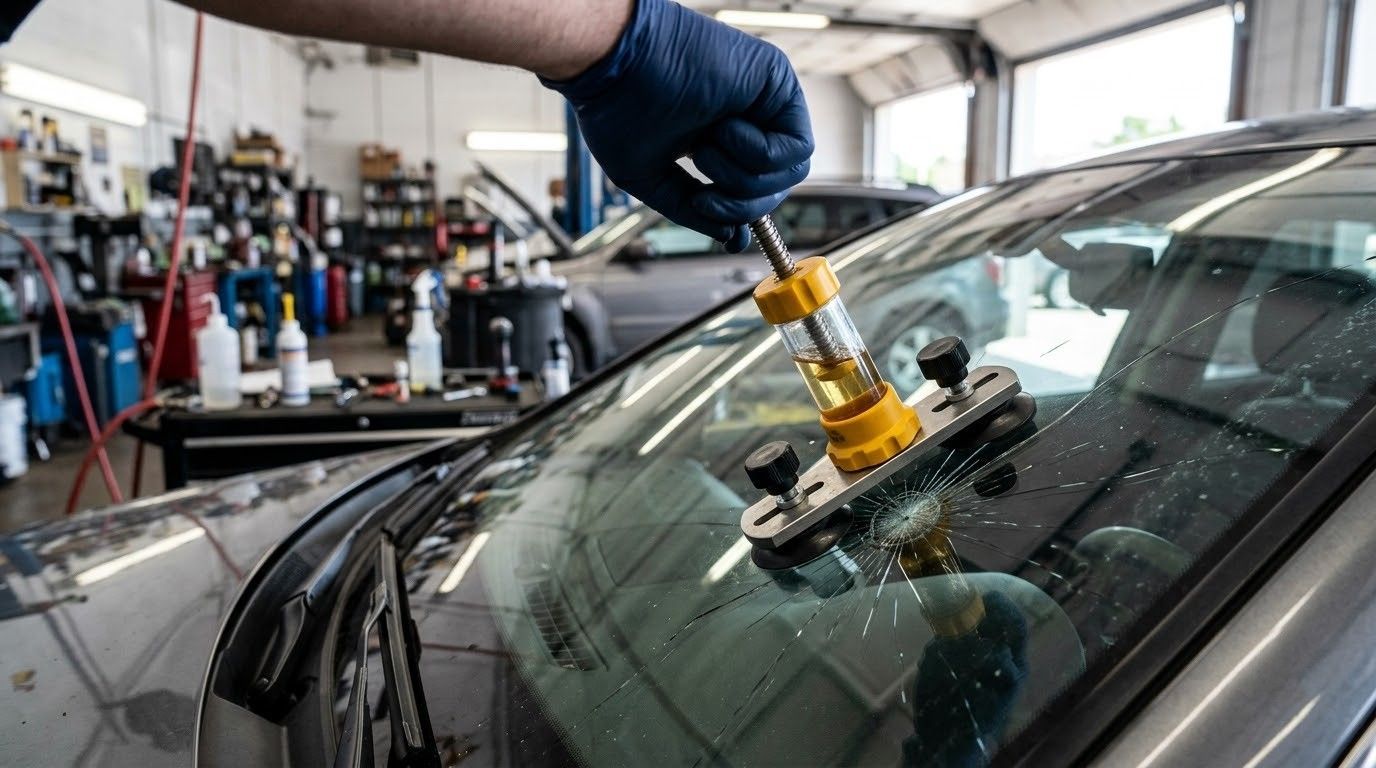
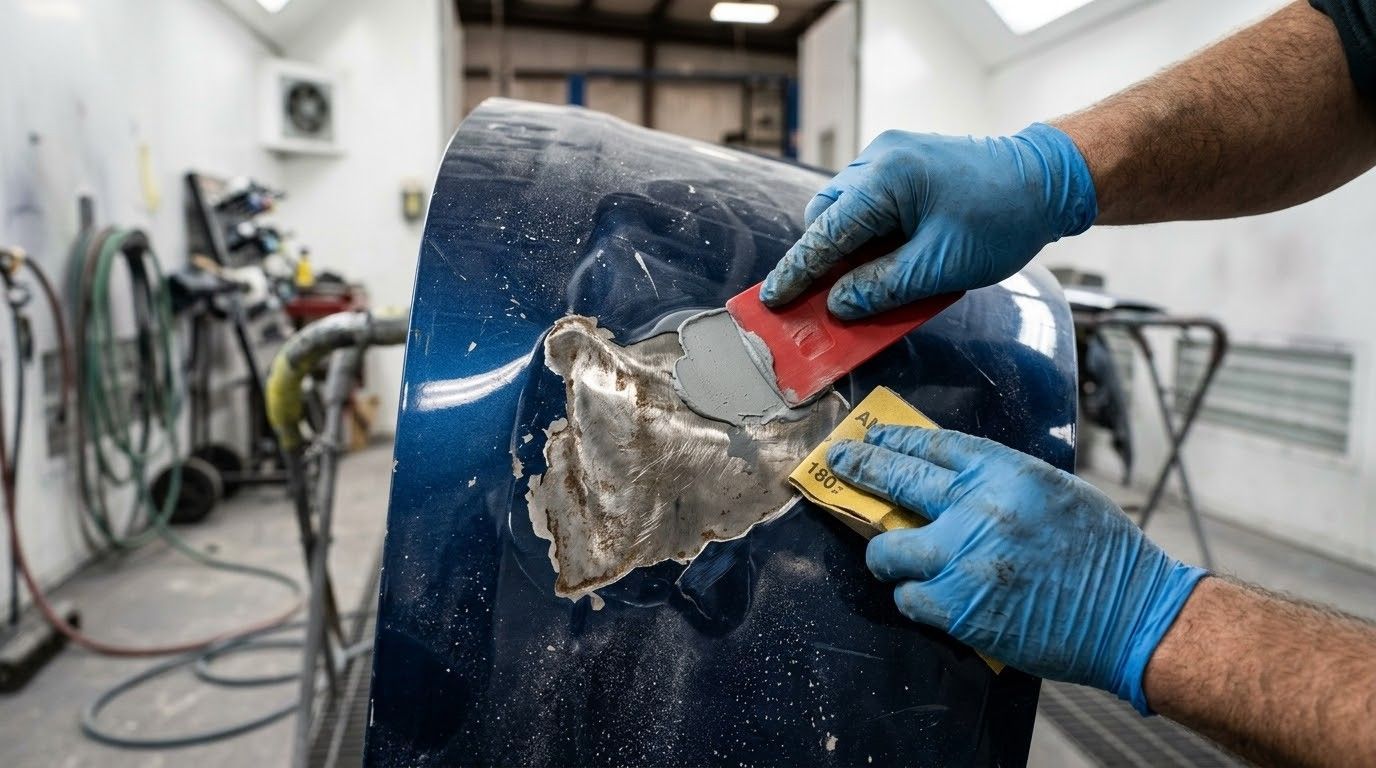
Our shop covers both, though not always through the same set of hands. Engine, tire, alignment, glass, and body jobs are assigned to technicians specialized in them, which is why a vehicle needing two kinds of work stays here.
How do you decide which repair comes first?
Safety leads, then anything that will cause further damage if left, then everything else. Luke's Alignment & Auto Repair gives you that ranking with the estimate at our Chesterton, IN shop, so the decision stays yours.
Will you show me the part that failed?
Gladly. Luke's Alignment & Auto Repair keeps removed components until you have seen them, and in our Chesterton, IN shop we will bring you out to the lift and point at the wear, the leak, or the play.
Should I bring my service records along?
They help but are not required. Knowing when the oil was last changed, which parts are recent, and what a previous shop already replaced stops us from repeating diagnostics you have effectively paid for once.
Can you find a noise I cannot reproduce on demand?
Often, yes. A technician will drive the vehicle under the conditions you describe, and if the noise stays hidden we inspect the systems that produce that particular sound rather than guessing at replacements.
What happens if you find a second problem mid-repair?
Work stops and you get a call before anything else is touched. The additional finding is explained, quoted separately, and only proceeds with your permission. Nothing appears on an invoice that you did not approve first.
Does a tune-up mean the same thing on a modern car?
Not really. Older non-electronic ignition systems needed servicing every 30,000 to 45,000 miles, while newer electronic ignition can stretch from 25,000 to 100,000 miles. The work itself is now mostly sensors, plugs, and filters.
Step-01
START WITH YOUR DESCRIPTION.
Step-02
MATCH THE JOB TO A TECHNICIAN.
Step-03
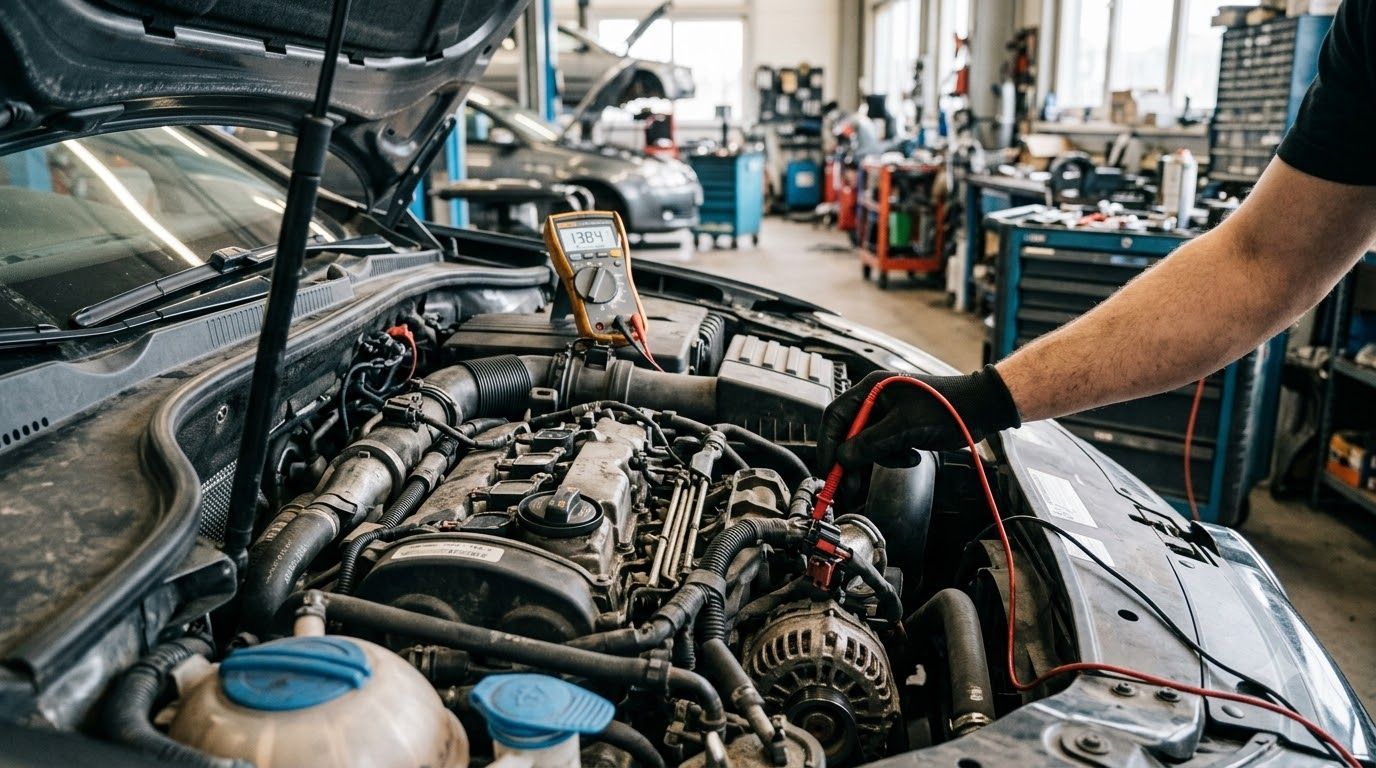
VERIFY THE FAULT PHYSICALLY.
Step-04
PUT THE FINDINGS IN FRONT OF YOU.
Step-05
REPAIR IT PROPERLY THE FIRST TIME.
Step-06
TEST IT BEFORE YOU COLLECT IT.
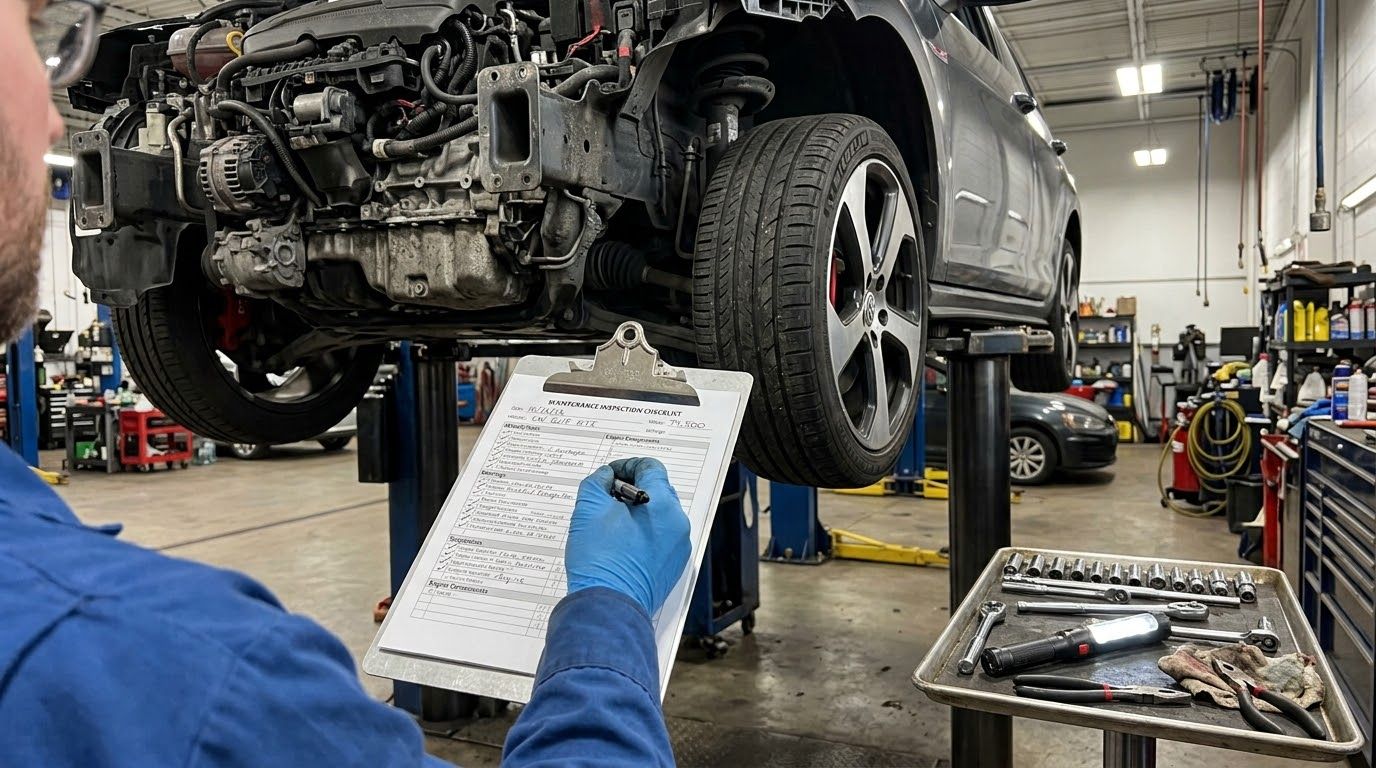
✓ A written account of what we found
✓ Parts and labor listed separately
✓ Repairs ranked by urgency
✓ A realistic turnaround you can plan around
✓ OEM or OEM-equivalent replacement parts
✓ Nothing added without your approval