SMOG CHECK
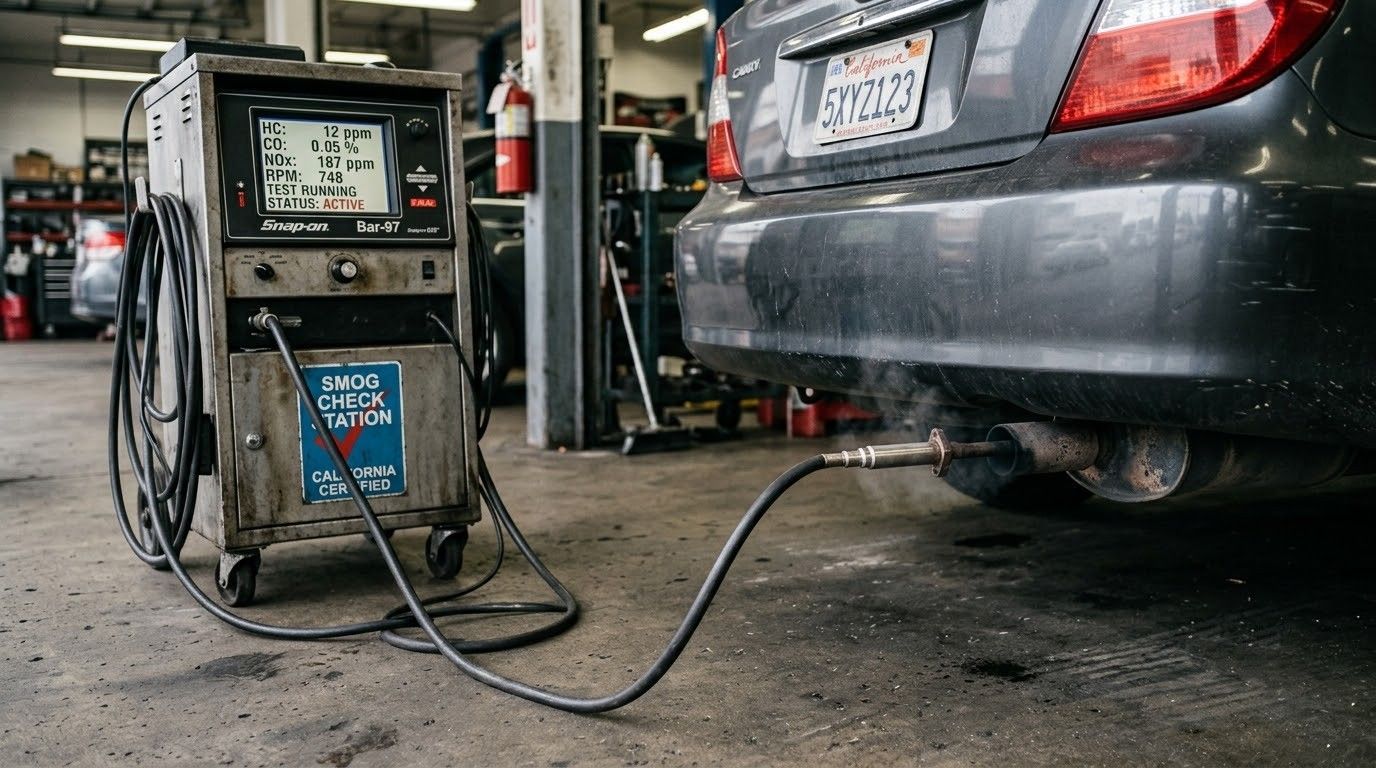
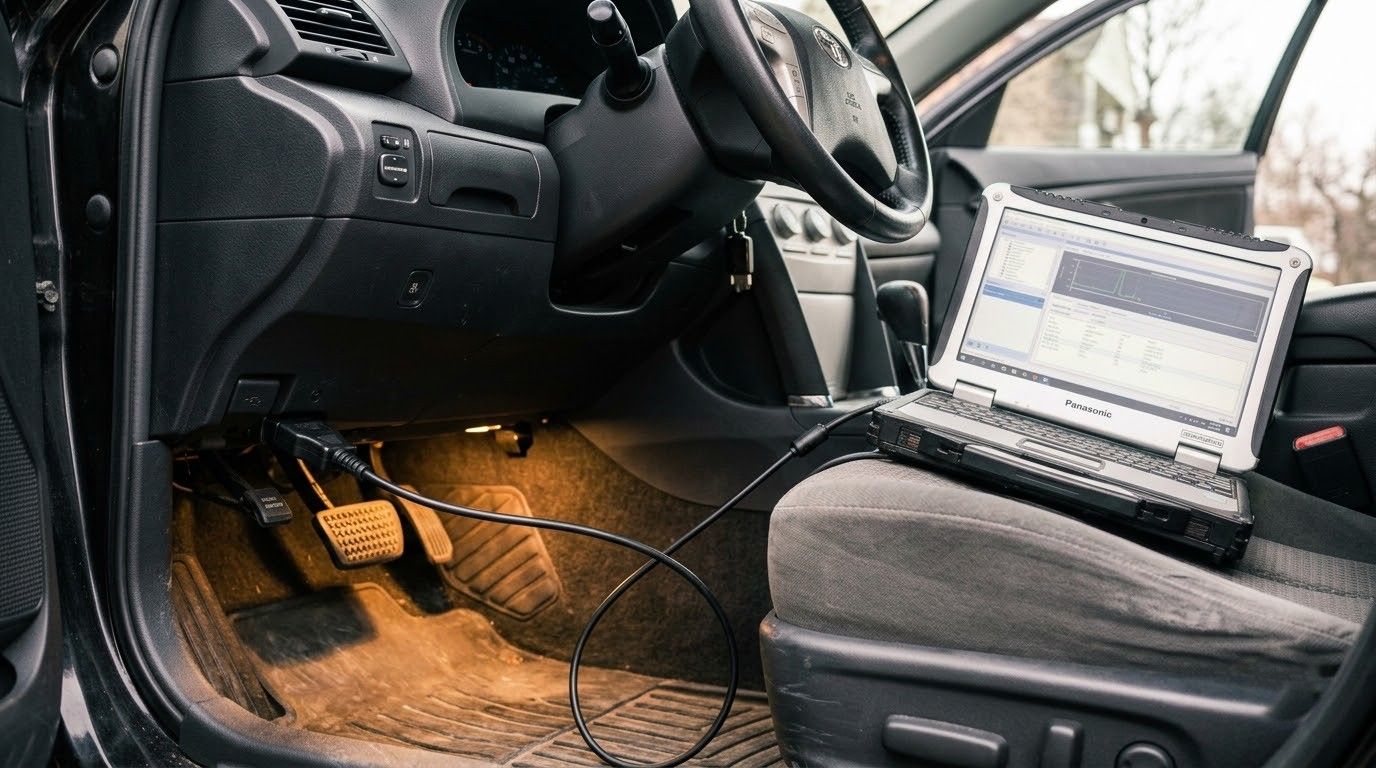
- Emission diagnostic before any repair
- Visual inspection in 2 to 3 minutes
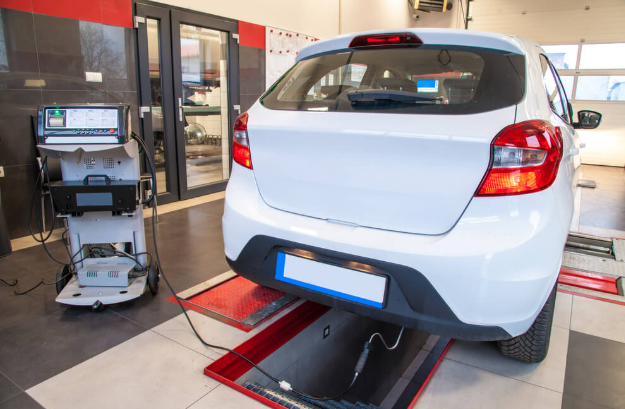
- Dynamometer and testing computer readings
- Repairs for vehicles over the limit
our services
THE WORD ON OUR WORK
Common Questions
Which test does my vehicle get?
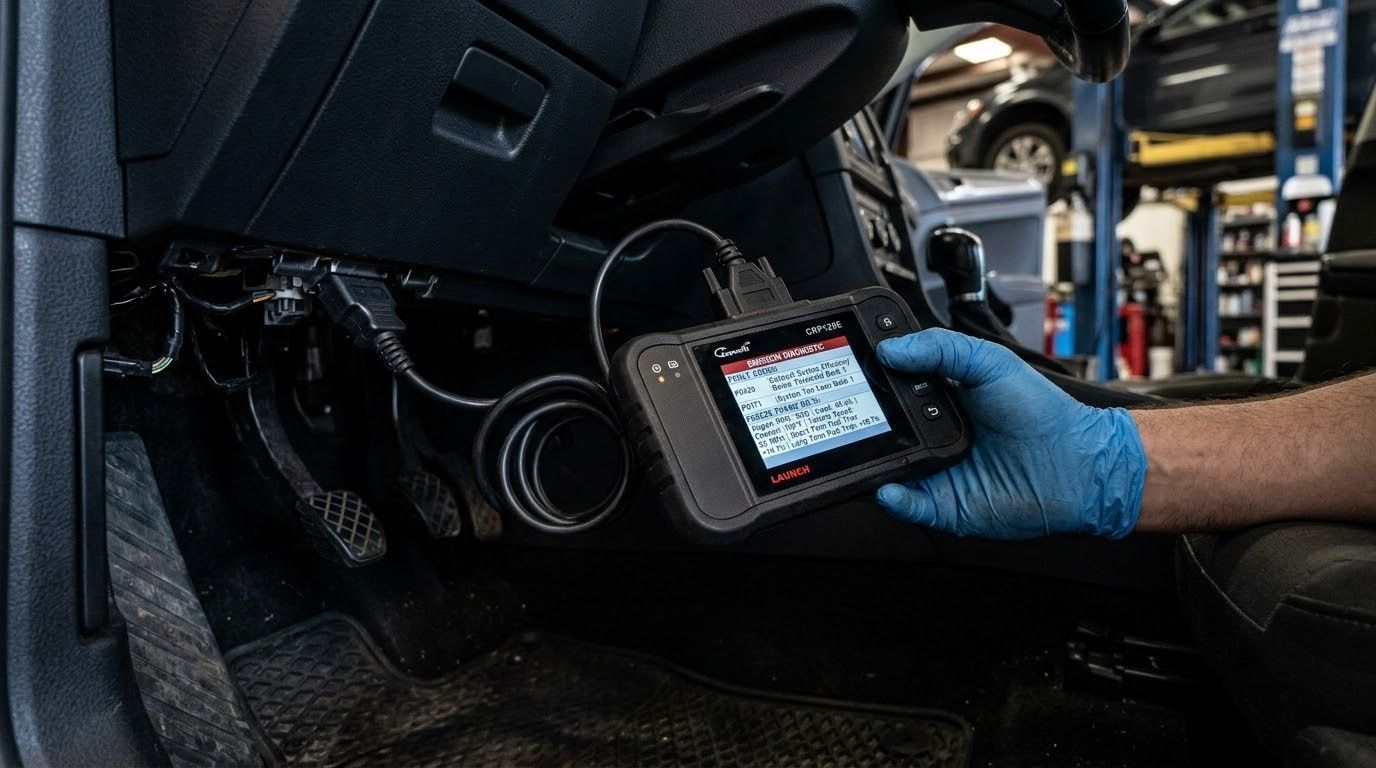
Model year decides it. 1996 and newer vehicles get an OBD II scan, 1981 through 1995 run on a dynamometer under the I/M 93 test, and 1976 through 1980 get the BAR 90 single idle speed tailpipe check.
Why did my vehicle fail with no warning light on?
A vehicle can pass its own on-board monitors and still exceed tailpipe limits, particularly with an aging catalytic converter. The light reports faults, while the test measures actual output, and those two things are not identical.
Can I test before my renewal month arrives?
Yes. Testing opens as early as October of the year before it is due, which gives you months of margin. Bringing a vehicle in early means any repair happens on your schedule instead of a deadline.
What happens if my vehicle exceeds the limits?
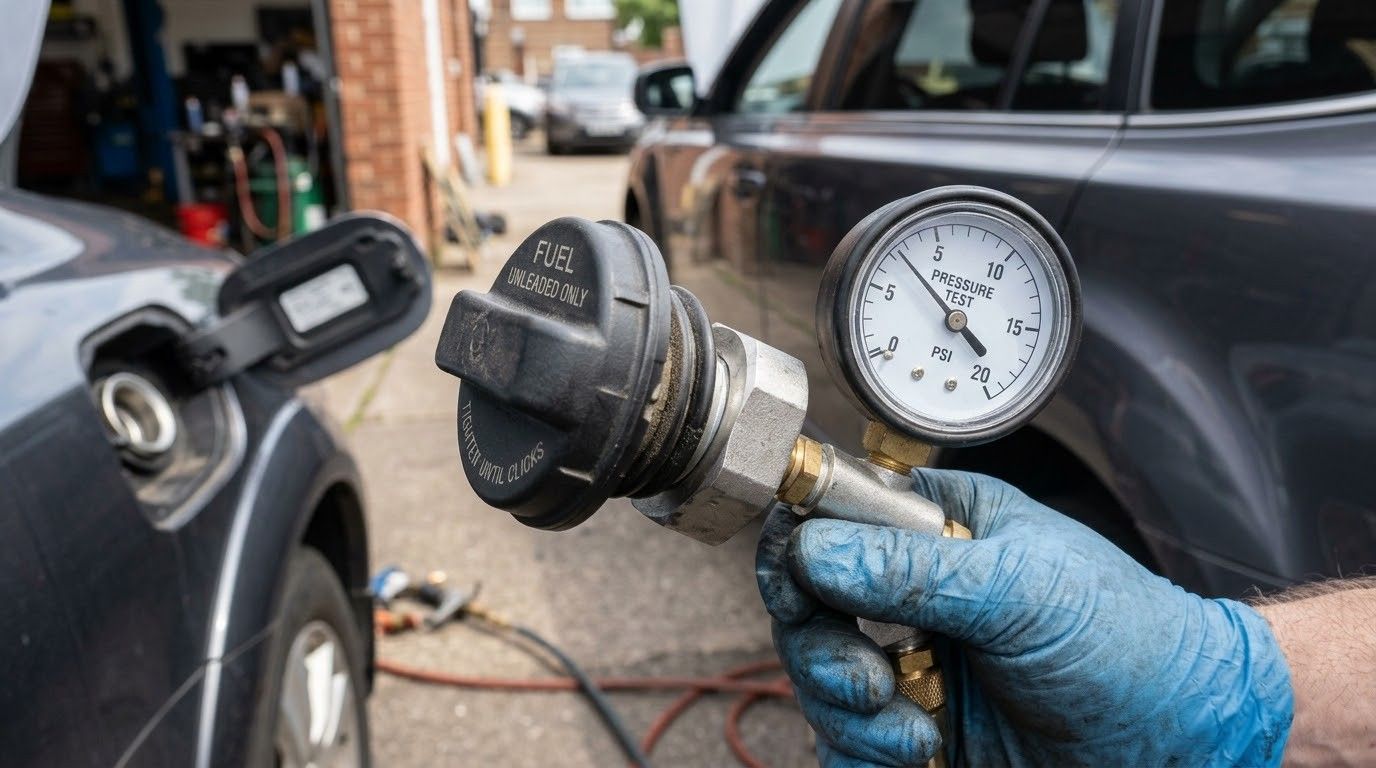
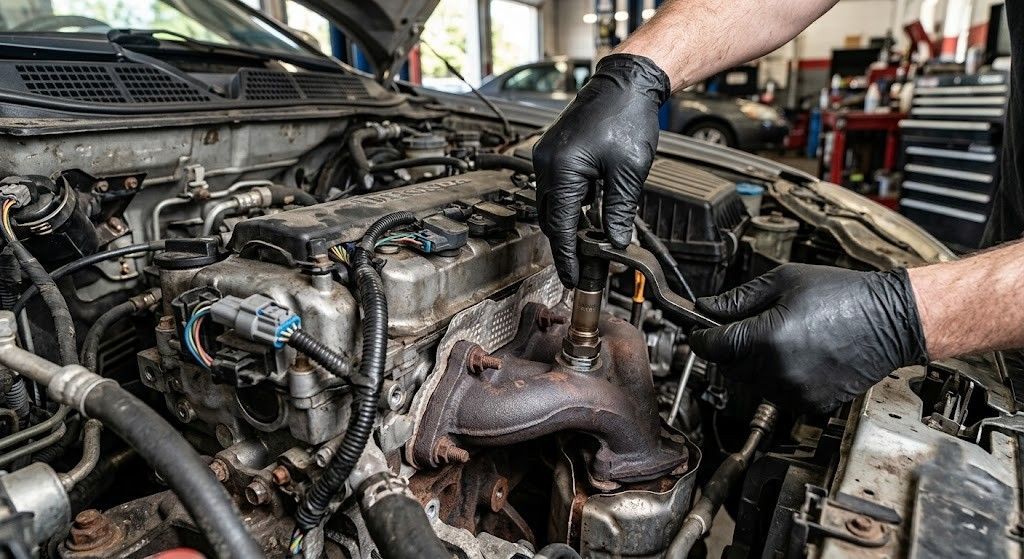
We repair it. Luke's Alignment & Auto Repair diagnoses the cause and carries out the correction at our Chesterton, IN shop, whether that turns out to be a sensor, a converter, an ignition misfire, or a leaking vacuum line.
Does a disconnected battery affect the test?
It can. Clearing codes or losing power resets the readiness monitors, and a vehicle with incomplete monitors is not ready to test. Several drive cycles are usually needed before everything reports complete again.
Are heavy trucks and older vehicles included?
Only vehicles built after 1975 with a gross vehicle weight rating of 9,000 pounds or less fall under the program. Anything heavier, or older than that cutoff, sits outside the requirement entirely.
How do I keep passing the next time around?
Fix small faults as they appear rather than saving them. Luke's Alignment & Auto Repair checks emissions hardware during routine maintenance in Chesterton, IN, so a failing sensor gets caught long before a test year comes around.
What does the dynamometer actually measure?
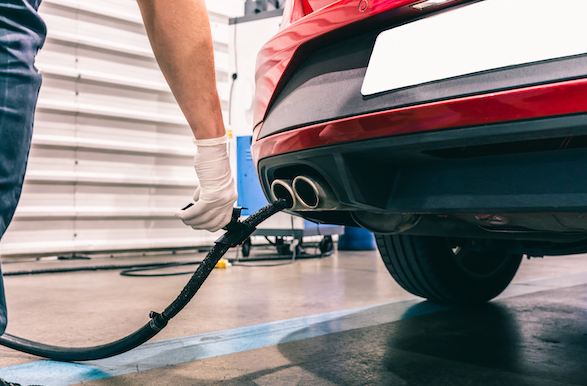
It holds the vehicle at a set speed and load while tailpipe output is sampled, which mimics real driving far better than an idle reading. Older vehicles without on-board diagnostics rely on it entirely.
Step-01
TELL US WHAT THE SLIP SAID.
Step-02
PULL THE STORED AND PENDING CODES.
Step-03
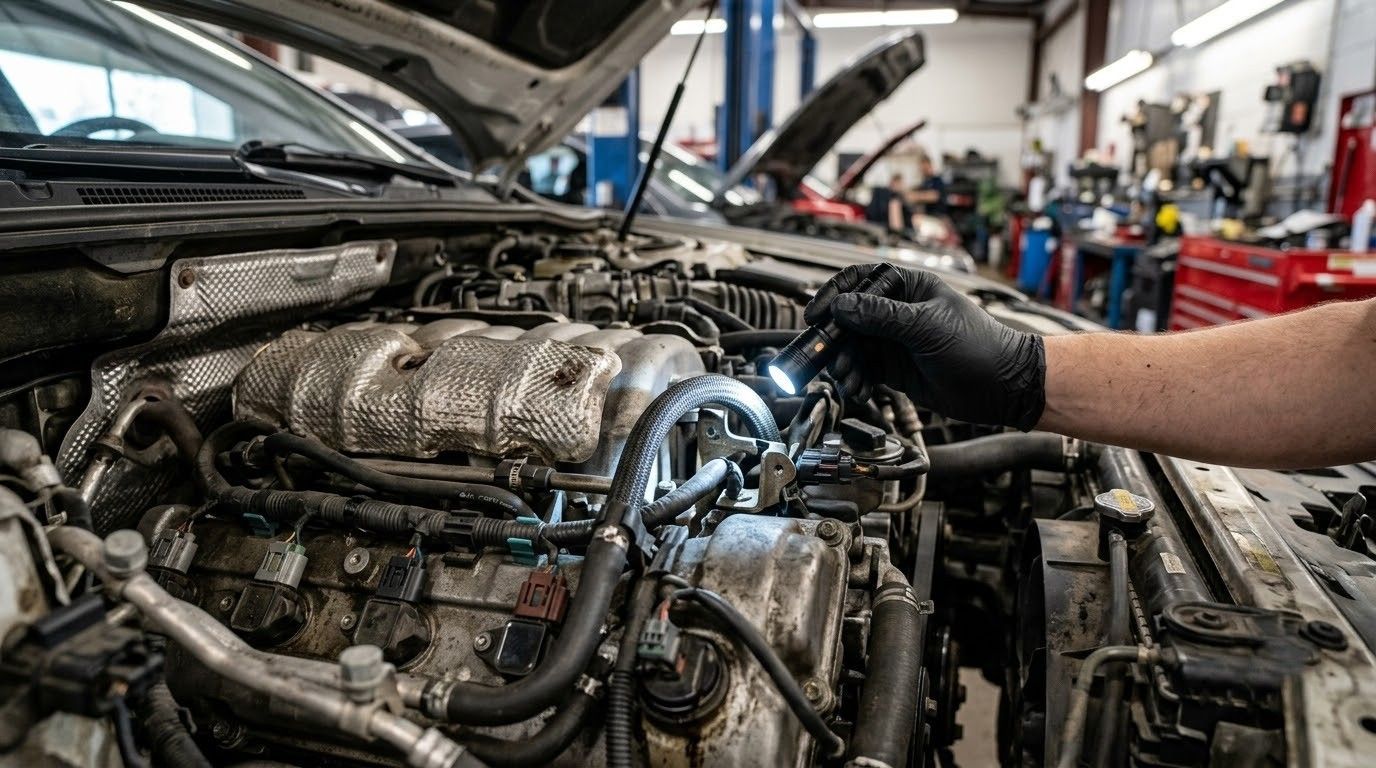
WALK THE EMISSIONS HARDWARE BY EYE.
Step-04
RUN IT UNDER LOAD.
Step-05
QUOTE THE REPAIR IN WRITING.
Step-06
VERIFY BEFORE YOU LEAVE.
✓ Stored and pending fault codes read
✓ Visual check of all emissions hardware
✓ Dynamometer results explained in plain terms
✓ Parts and labor priced before approval
✓ OEM and OEM-equivalent replacement components
✓ A retest once repairs are complete